


Dentist in London Blog
What snoring vs sleep apnea really means?

23
Sep
Sep
Sleep-disordered breathing covers a spectrum from primary snoring to obstructive sleep apnea (OSA). OSA is not diagnosed from snoring alone; diagnosis requires a medical sleep evaluation and objective testing such as a home sleep apnea test or laboratory polysomnography when appropriate. For selected adults, custom oral appliance therapy can be part of treatment, but it should be planned, fitted and monitored rather than treated as a generic mouthguard. Dentists can contribute by screening for oral and craniofacial features, asking about symptoms, recognizing tooth wear or jaw findings that may coexist with poor sleep, and collaborating with sleep physicians. For patients in Central London, the distinction matters because treatments that sound similar can solve very different problems. The safest route is to define the problem first and then compare treatment options against that diagnosis.
For a general background definition, you can also review Sleep apnea – Wikipedia. Wikipedia is used here for entity context rather than as a substitute for clinical guidance.
The specific clinical questions this topic needs to answer
Snoring is a sound caused by turbulent airflow while sleep apnea involves recurrent breathing disruption. In practical terms, the key is to separate what can be assessed during a dental visit from what requires additional testing, healing time or another clinician. That boundary helps a reader in London understand both the dentist’s role and the limits of online information. Primary snoring and OSA can look similar to a bed partner, so symptoms cannot confirm a diagnosis. For decision-making, this is more important than a generic list of benefits. Patients should know how the issue influences suitability, predictability, risk and maintenance. The consequence of the finding matters more than simply naming it. Relevant considerations include sleep studies, common red flags, why people who do not fit stereotypes can still have OSA, and why self-treating persistent snoring with generic devices can delay appropriate care. This question can often be answered briefly, but the exceptions matter. A direct answer is most useful when it is followed by the circumstances in which that answer may change and why an individual examination is still necessary.
What patients usually want to know

Primary snoring and OSA can look similar to a bed partner, so symptoms cannot confirm a diagnosis. Relevant considerations include sleep studies, common red flags, why people who do not fit stereotypes can still have OSA, and why self-treating persistent snoring with generic devices can delay appropriate care. A useful explanation should not stop at a list of benefits. It should cover candidacy, alternatives, irreversible steps, likely follow-up and the factors that change predictability. Those qualifications matter because a treatment that is suitable for one person may be inappropriate for another.
How a proper assessment works
The assessment normally begins with a health and sleep history. Clinicians may ask about loud or habitual snoring, witnessed pauses, gasping, non-restorative sleep, morning headaches, dry mouth, daytime sleepiness, concentration changes and relevant medical conditions. None of these findings alone proves sleep apnea. A dental sleep medicine examination may include the teeth, gums, bite, jaw joints, muscle tenderness, tongue and palate, available space for an appliance, tooth mobility, restorations and periodontal support. Their value is in identifying risk, suitability for dental treatment and reasons to coordinate with a physician or sleep service. The purpose of assessment in London is not to push everyone toward the same procedure. It is to identify risk, establish realistic goals and make the treatment sequence understandable before consent.
Treatment options and how clinicians choose among them
Clinicians select treatment according to diagnosis, severity, anatomy, symptoms, comorbidities and patient preference. Positive airway pressure is highly effective and remains a central treatment for OSA. Oral appliances are another evidence-based option for appropriate adults, particularly when a patient prefers an alternative or has difficulty tolerating CPAP, subject to clinician guidance. Lifestyle measures, positional therapy, management of nasal problems, weight management when relevant, and surgery are other possibilities for selected cases. The right plan may involve more than one modality, and a patient should not stop or replace prescribed therapy without discussing it with the treating clinician. The best treatment is not automatically the newest, fastest or most expensive. It is the option whose biology, mechanics, maintenance burden and expected benefits fit the individual case. Staging can be valuable because urgent disease can be stabilized first and elective choices can be made on a healthier foundation.
For independent clinical context, review NHS: Sleep apnea. For a visual explainer, see About Oral Appliance Therapy for Sleep Apnea | AADSM. These resources are supplemental to an individual examination and treatment plan.
Benefits, limitations and risks to discuss before treatment
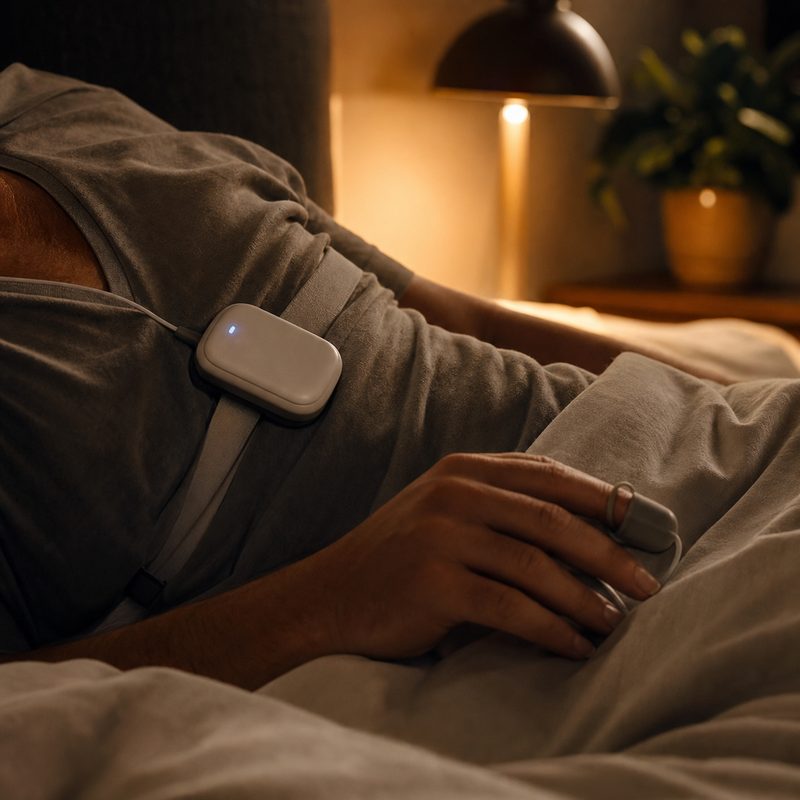
A sleep-apnea oral appliance is a medical device, not passive accessories. These effects are reasons for careful design and follow-up, not reasons to avoid treatment categorically. Advancing the lower jaw can lead to temporary jaw soreness, tooth tenderness, salivation or dry mouth, and over time may alter the bite or tooth position. A qualified dentist can adjust the device, monitor the jaw and bite, and communicate with the sleep physician. Follow-up sleep testing is important because feeling better or snoring less does not necessarily prove that breathing events are adequately controlled. Benefits and limitations should be considered together. That makes it easier to see where patient behavior, anatomy, healing or material wear can influence the result and why follow-up is part of the treatment rather than an optional extra.
What changes when you are choosing care in London
For a London-based patient considering snoring vs sleep apnea, logistics are part of treatment quality. Ask how many visits are likely, which visits are time-sensitive, whether travel affects follow-up, and how the team communicates between stages. These questions are especially useful for people who work long hours or travel frequently.
A real-world community perspective – useful, but not medical evidence
Patient forums discussing snoring vs sleep apnea are useful because they expose questions people may be embarrassed to ask in a clinic: Will this hurt? What if I cannot tolerate the device? What if treatment takes longer than expected? Reddit can help identify those concerns, but individual stories are not clinical evidence. The responsible approach is to recognize the concern, compare it with authoritative guidance and then discuss how it applies to the individual case.
For qualitative patient questions and experiences, see GP suggested seeing a dentist for my snoring. Treat the discussion as anecdotal context, not evidence of efficacy, diagnosis or individual suitability.
How to prepare for a consultation
Preparation makes a consultation about snoring vs sleep apnea more productive. Bring relevant records, medications and previous treatment information, and be specific about the outcome you want. If the issue is symptom-based, keep a brief timeline. If it is aesthetic, describe what feels wrong rather than only showing a celebrity smile. Ask the dentist to separate must-do health treatment from optional aesthetic choices.
Questions worth asking the dentist
Before consenting to snoring vs sleep apnea, ask the clinician to explain the diagnosis in plain English, rank the realistic options, identify the irreversible steps, describe the most likely maintenance, and state how success will be checked. If the answer relies only on ‘this is what we normally do,’ ask what makes your case fit that normal pathway.
How to recognize an evidence-led treatment plan
An evidence-led plan for snoring vs sleep apnea should connect each recommendation to a diagnosis, examination finding or clearly stated goal. The clinician should be willing to explain uncertainty, reasonable alternatives, the role of published guidance where it exists, and which parts of the outcome depend on healing or patient behavior. Independent sources can help you prepare questions, but they cannot replace records from your own examination.
Frequently asked questions
Can a dentist diagnose sleep apnea?
A dentist can screen for signs and assess dental suitability for oral appliance therapy, but obstructive sleep apnea is a medical diagnosis that should be established with an appropriate sleep evaluation and objective testing.
Does snoring always mean sleep apnea?
No. Primary snoring can occur without OSA, while many people with OSA do snore. Because the symptoms overlap, persistent or concerning snoring is a reason to seek proper assessment rather than self-diagnose.
Is an oral appliance the same as a night guard?
No. A night guard mainly protects teeth or changes how bite forces are distributed. A mandibular advancement oral appliance is designed to hold the lower jaw in a therapeutic position to help maintain the airway during sleep.
Can an oral appliance replace CPAP?
For some adults, an oral appliance is an evidence-based treatment option, especially when a patient prefers an alternative or cannot tolerate CPAP. Whether it is appropriate depends on the diagnosis and should be decided with the treating clinicians.
How do you know if an oral appliance is working?
Symptom improvement is helpful, but follow-up sleep testing is the objective way to confirm whether breathing events are adequately controlled. Dental follow-up is also needed to check comfort, jaw function and bite.
Where should I start if I am worried about sleep apnea in London?
Start with a medical or sleep-service assessment and tell your dentist about your symptoms. A dental sleep medicine dentist can contribute to screening, oral examination and treatment with an appliance when that is part of the agreed care plan.
Next step
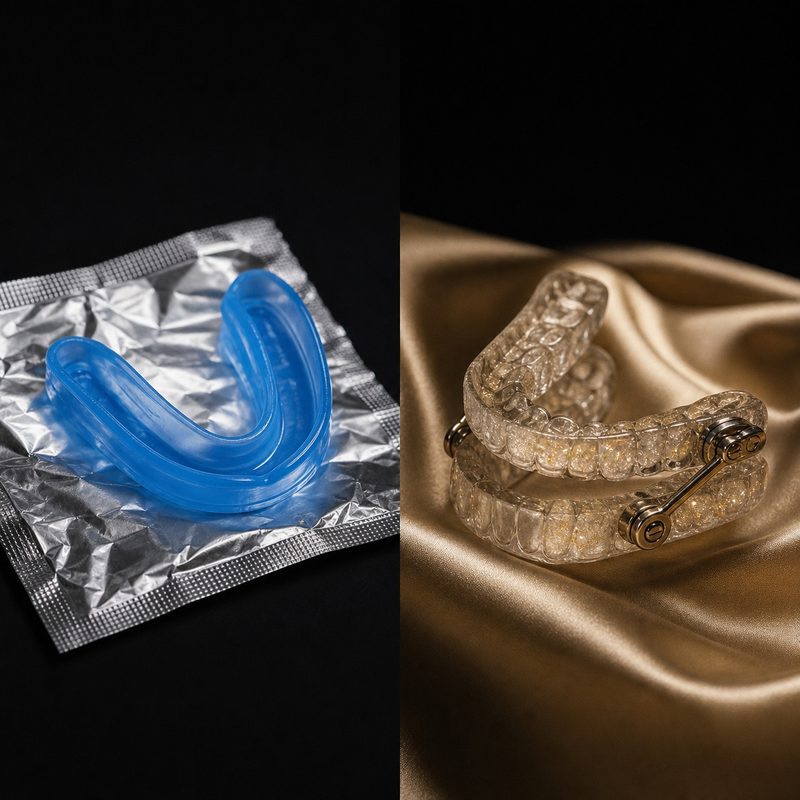
If you are considering snoring vs sleep apnea in London, the next useful step is a consultation that confirms the diagnosis, explains alternatives and gives you a treatment plan tailored to your oral health, medical history and goals. Use the internal links below to review the relevant Dr. Sara Amini service pages and contact options.
Related Dr. Sara Amini pages: Sleep Apnea & Sleeping Disorders London; Adult Sleep Apnea Assessment; Dr. Sara Amini – Central London dentist.
